
Starter theme · 4 / 4

Field Archive

Projects and field notes, with their context.

Every post is a numbered record. The home page lists each record's number, title, the fields you fill in Notion and a grayscale thumbnail; an article keeps place, route, time and a numbered outline in a column on the left.

After you sign up, the design step builds a Field Archive preview from your own Notion content in one click. Starting from a theme uses no AI credits.

walkcity.newmade.page/
Walking City / Field ArchiveIndexSearch

Walking City

Notes on walking, public space and neighbourhood life.

  1. No. 01

    Finding time again, slowly

    A plane-tree street in the old town / 1.2 km, there and back / 3 × 90 minutes

  2. No. 02

    Why some streets make us slow down

    Wutong Road / 400 m, three weekends / A count every 50 m

  3. No. 03

    A fifteen-minute neighbourhood is not a circle

    East district / Six walking routes / Morning and evening peaks

  4. No. 04

    The direction of a bench

    Culture Palace Square / 24 benches / Weekend afternoons

  5. No. 05

    How the market became the living room

    The old market / A 300 m loop / 07:00–09:00

  6. No. 06

    Arcades, awnings and places to pause

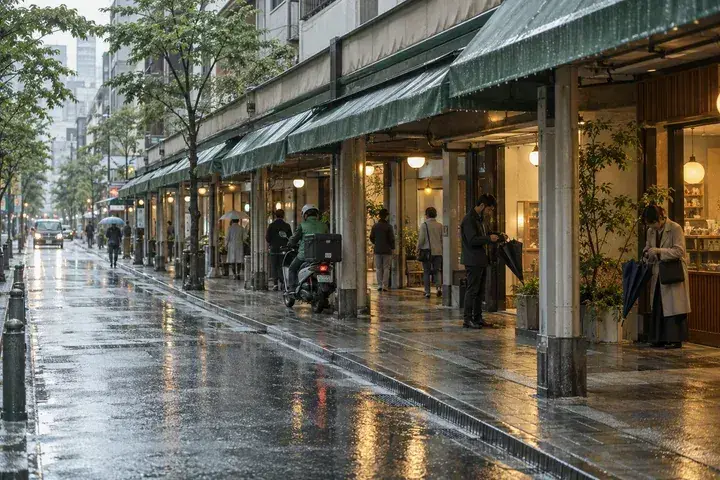
    Zhongshan Road arcades / 420 m / Rainy days

  7. No. 07

    Who is the city lit for after nine?

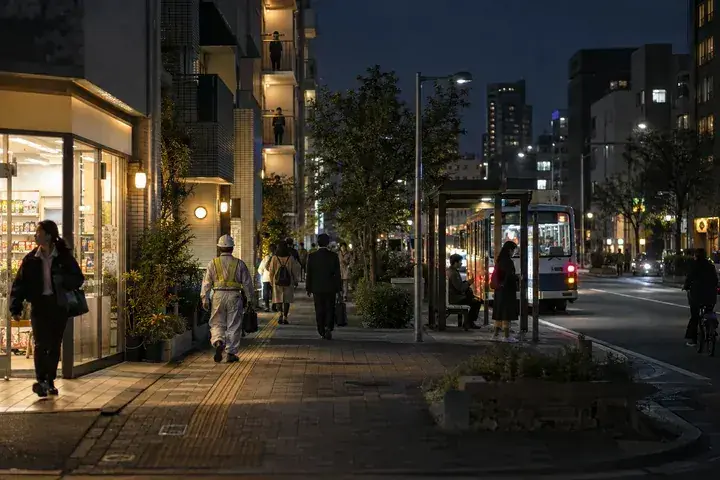
    Around Zhongshan Road / 2.4 km / 21:00–23:30

Walking CitySearchAa
In this articleKeep one unbroken stretch of timeDraw what you noticeNinety minutes of watching

ESSAY · LIFE

Finding time again, slowly

Lin Chuan · September 20, 2026 · 6 min read
ShareCopy linkSubscribe

Keep one unbroken stretch of time

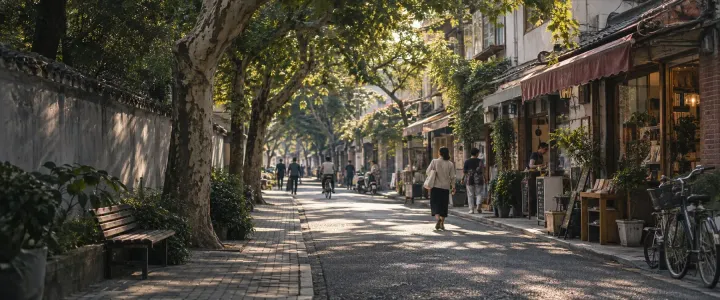
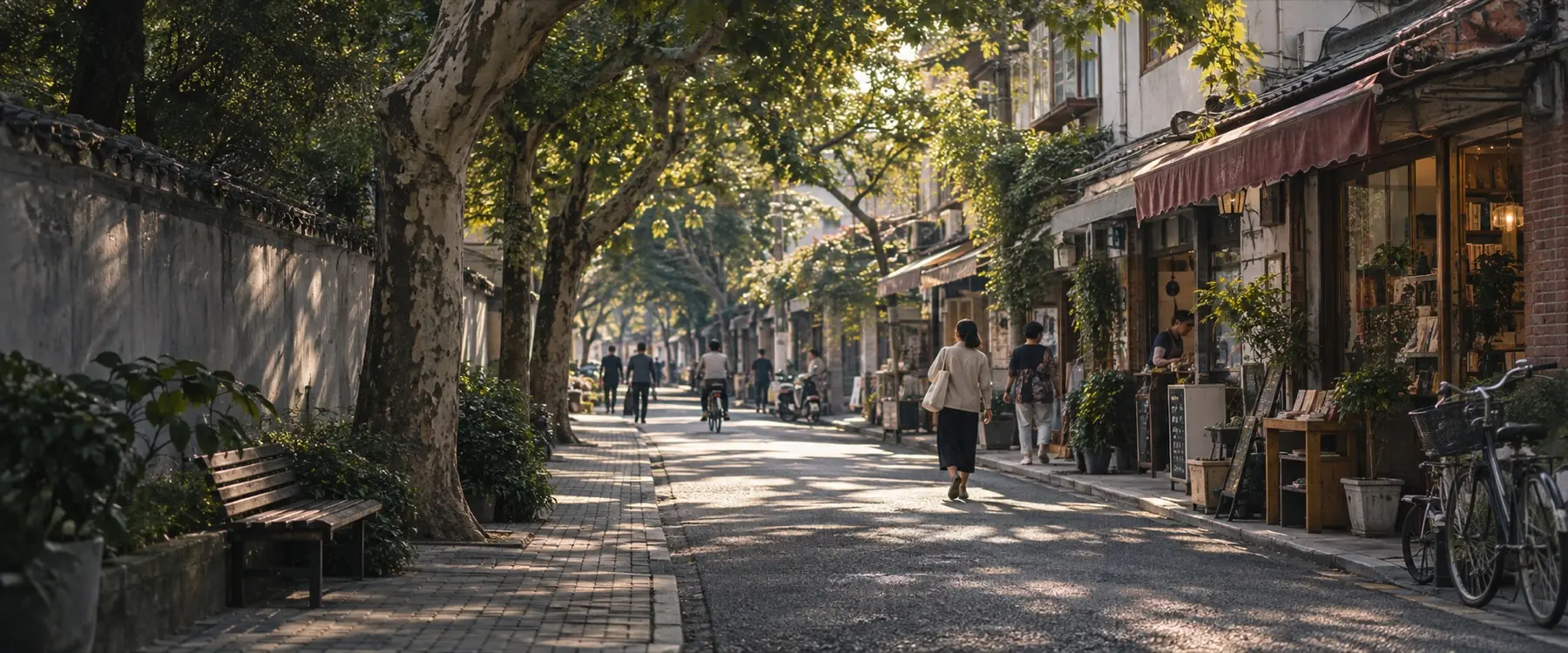
I walked the same street three times: at eight in the morning, two in the afternoon and nine at night. In the morning the pavement belongs to people in a hurry; in the afternoon a few benches under the trees fill up; at night the bookshop on the corner lights up half the street.

You need no instruments to see these changes, only a stretch of time nobody interrupts. I put my phone on do-not-disturb and took a small notebook and a pencil.

A city is not only its master plans and landmarks. It is also the stretch of road, the corner and the bench we pass every day.

Draw what you notice

On the second walk I started sketching: where the shade falls, which benches are always taken, at which crossing people slow down without thinking. Once drawn, many vague impressions became concrete.

Ninety minutes of watching

One observation may cover only ninety minutes, yet it is enough for a familiar road to show new detail. Laying the three sketches on top of each other, I found that what really shapes this street are the pauses nobody planned.

Next time I want to walk it in the rain.

Walking CitySearch articles, places, tags

ESSAY · ISSUE 42

Finding time again, slowly

Words by Lin Chuan 2026.09.20

Walk the same street three times and you will see three different cities.

Keep one unbroken stretch of time

I walked the same street three times: at eight in the morning, two in the afternoon and nine at night. In the morning the pavement belongs to people in a hurry; in the afternoon a few benches under the trees fill up; at night the bookshop on the corner lights up half the street.

You need no instruments to see these changes, only a stretch of time nobody interrupts. I put my phone on do-not-disturb and took a small notebook and a pencil.

Draw what you notice

On the second walk I started sketching: where the shade falls, which benches are always taken, at which crossing people slow down without thinking. Once drawn, many vague impressions became concrete.

“A city is not only its master plans and landmarks. It is also the stretch of road, the corner and the bench we pass every day.”

Ninety minutes of watching

One observation may cover only ninety minutes, yet it is enough for a familiar road to show new detail. Laying the three sketches on top of each other, I found that what really shapes this street are the pauses nobody planned.

Next time I want to walk it in the rain.

Walking City0% read · 6 min left

ESSAY · LIFE · 6 MIN

Finding time again, slowly

Lin Chuan September 20, 2026

Keep one unbroken stretch of time

I walked the same street three times: at eight in the morning, two in the afternoon and nine at night. In the morning the pavement belongs to people in a hurry; in the afternoon a few benches under the trees fill up; at night the bookshop on the corner lights up half the street.

You need no instruments to see these changes, only a stretch of time nobody interrupts. I put my phone on do-not-disturb and took a small notebook and a pencil.

A city is not only its master plans and landmarks. It is also the stretch of road, the corner and the bench we pass every day.

Draw what you notice

On the second walk I started sketching: where the shade falls, which benches are always taken, at which crossing people slow down without thinking. Once drawn, many vague impressions became concrete.

Ninety minutes of watching

One observation may cover only ninety minutes, yet it is enough for a familiar road to show new detail. Laying the three sketches on top of each other, I found that what really shapes this street are the pauses nobody planned.

Next time I want to walk it in the rain.

Walking City / Field ArchiveNo. 042Street notes

Finding time again, slowly

A city is not only its master plans and landmarks. It is also the stretch of road, the corner and the bench we pass every day.

01Keep one unbroken stretch of time

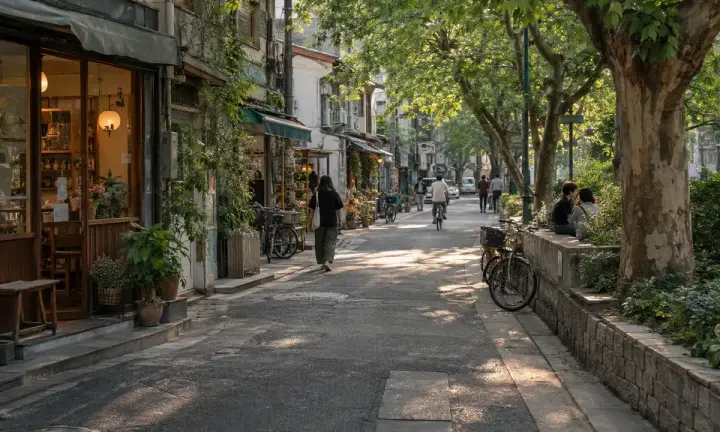
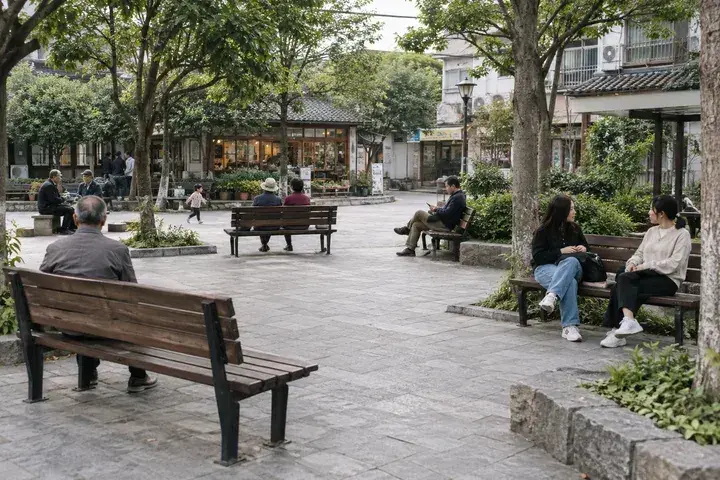
I walked the same street three times: at eight in the morning, two in the afternoon and nine at night. In the morning the pavement belongs to people in a hurry; in the afternoon a few benches under the trees fill up; at night the bookshop on the corner lights up half the street.

You need no instruments to see these changes, only a stretch of time nobody interrupts. I put my phone on do-not-disturb and took a small notebook and a pencil.

Fig. 1 — Benches full in the afternoon
Fig. 2 — The light at the bookshop door
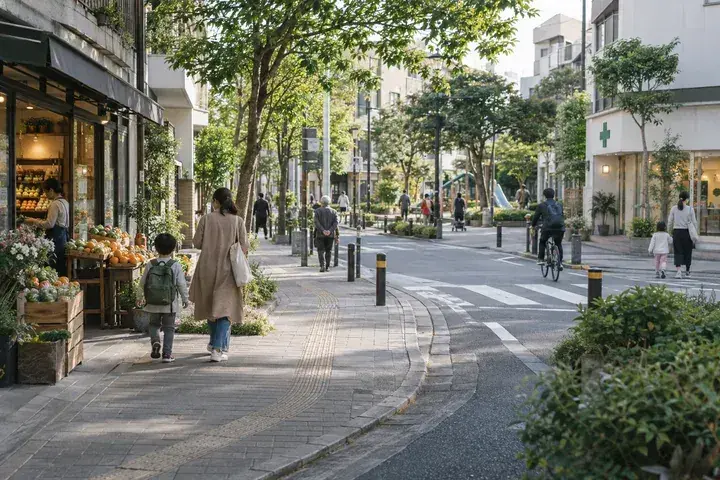
Fig. 3 — Walking through the shade

02Draw what you notice

On the second walk I started sketching: where the shade falls, which benches are always taken, at which crossing people slow down without thinking. Once drawn, many vague impressions became concrete.

03Ninety minutes of watching

One observation may cover only ninety minutes, yet it is enough for a familiar road to show new detail. Laying the three sketches on top of each other, I found that what really shapes this street are the pauses nobody planned.

Next time I want to walk it in the rain.

Was this useful?

The Walking City sample blog in this starter, as it looks before any changes. Click the first post to open it.

What Field Archive looks like

Appearance
Light grey-green with black rules and accents; every image is shown in grayscale
Type
Inter for text, a monospace face for records and labels
Width
A 640px text column, 860px images and a 240px record column
Home page
Numbered records with field values, a grayscale thumbnail and the date
Reader settings
None; articles end with reactions, save and feedback
On phones
Fields move above the text in two columns; the outline and list thumbnails are hidden

What’s inside

  1. 01

    Numbered records

    The home page reads like an index: No. 01, No. 02 and so on, each with its field values in monospace, a grayscale thumbnail and the date.

  2. 02

    A record column from your Notion fields

    Map Notion properties such as Place, Route or Time as custom fields in your content source, and they appear in the column beside every article.

  3. 03

    Numbered sections and figures

    Second-level headings are numbered, the outline beside the text follows them, and image captions are labeled Fig. 1, Fig. 2 and so on.

  4. 04

    Reactions, save and feedback

    Readers can react to a record, save it, or tell you what would make it more useful.

Field Archive has no reader settings, reading progress or share buttons, and shows every image in grayscale. Ask Theme studio to change any of that.

Content that fits

Project records, photography series and field notes. Pair images with the place, date, role or other context a reader needs to understand the work.

Guides that start from this theme:Notion portfolio websiteNotion photography website

Try it with three posts

Bring a project or series database shared with Newmade, with covers, a short summary, tags for place or discipline and a caption under each image. Mix portrait and landscape images in one entry to test the layout. Save a version before larger changes; you can also export the theme package from your library.

Make it yours

In Theme studio, describe a change in a sentence. Each change becomes a version you can preview on your own content; publish the one you like and return to an earlier one at any time. Some requests to start from:

  • On the homepage, show the place and year under each entry title in small capitals.

  • Turn the homepage into a grid of cover images, with titles below each image on phones.

  • Remove the feedback and save controls, but keep the section navigation.

  • Make captions the same width as their images and set them in a smaller italic.

How Theme studio works

See your writing in Field Archive.

Connect a Notion database, preview the starter on your own posts, then change whatever you like.