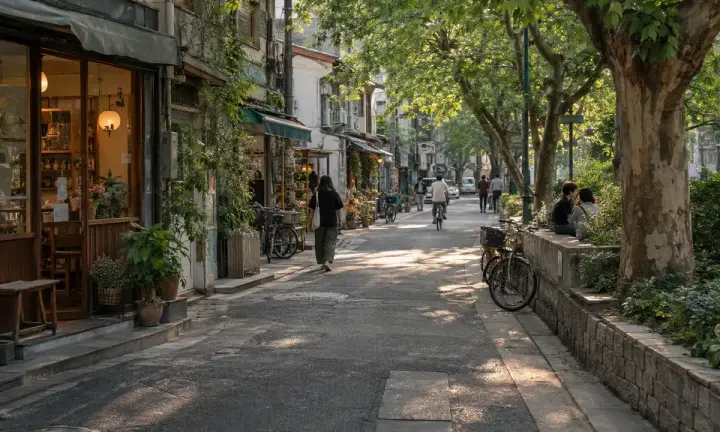
Why some streets make us slow down
The same 400 metres can take ten minutes on one street and half an hour on another.
Sep 18, 2026Starter theme · 2 / 4
An image-led city publication.
The newest post becomes the cover story, its headline set over a full-width photograph, and the rest follow in a three-column grid. Articles get a standfirst, two columns of text with a drop cap, and pull quotes.
After you sign up, the design step builds a City Magazine preview from your own Notion content in one click. Starting from a theme uses no AI credits.
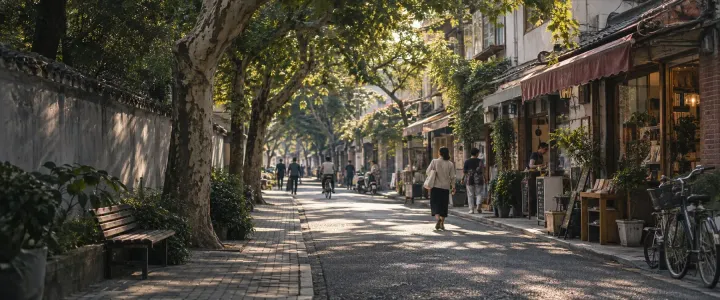
Walk the same street three times and you will see three different cities.
The same 400 metres can take ten minutes on one street and half an hour on another.
Sep 18, 2026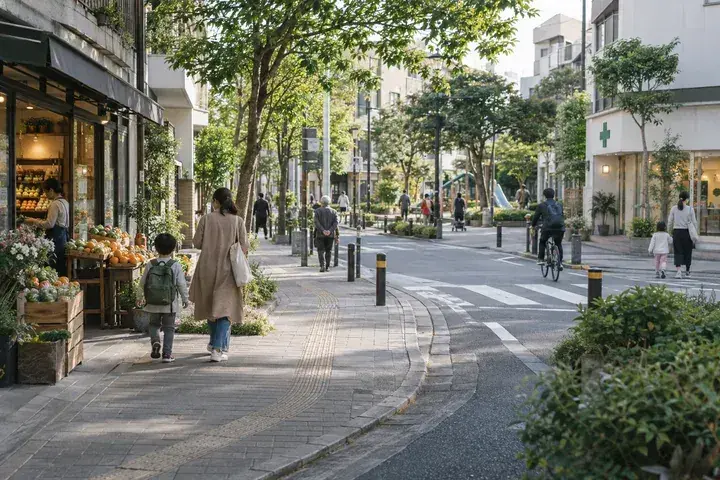
Crossings, slopes and waits at the lights decide what is in reach, not the distance on a map.
Sep 12, 2026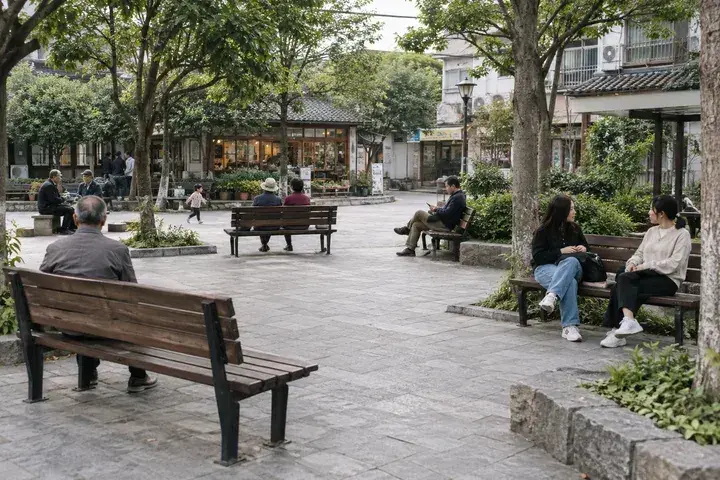
Whether a bench faces people or traffic decides whether anyone sits on it.
Sep 5, 2026
At seven in the morning, the market is the busiest public room in the neighbourhood.
Aug 28, 2026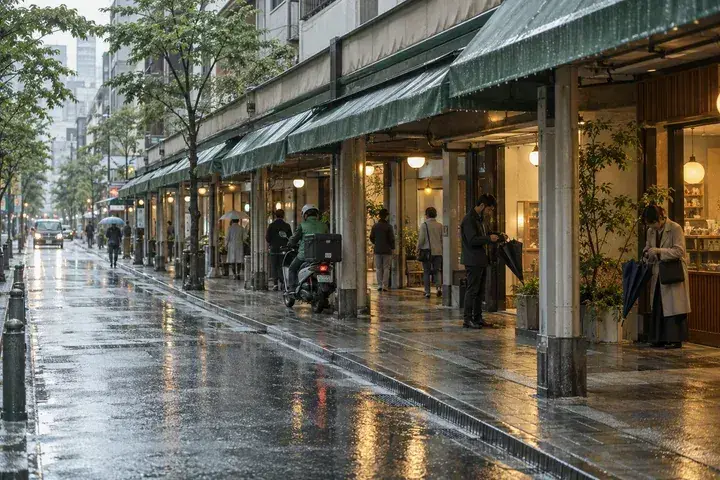
A continuous line of awnings keeps a street walkable on a rainy afternoon.
Aug 7, 2026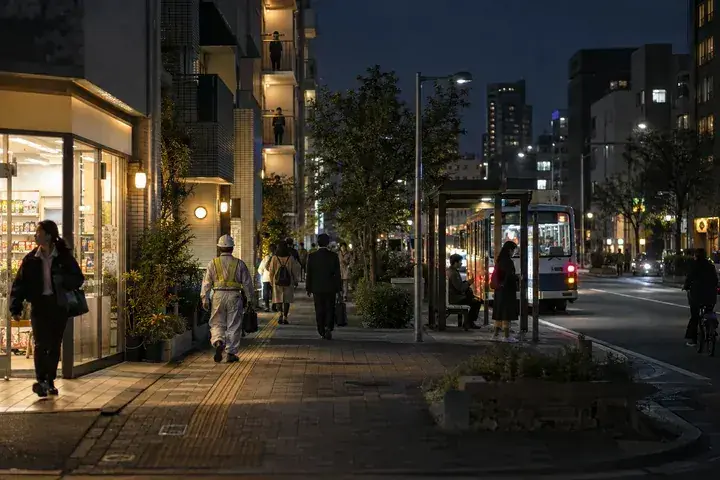
Corner shops, late-night stalls and last-bus stops draw a second map of the city.
Jul 31, 2026 Walking CitySearchAa
ESSAY · LIFE
Lin Chuan · September 20, 2026 · 6 min read
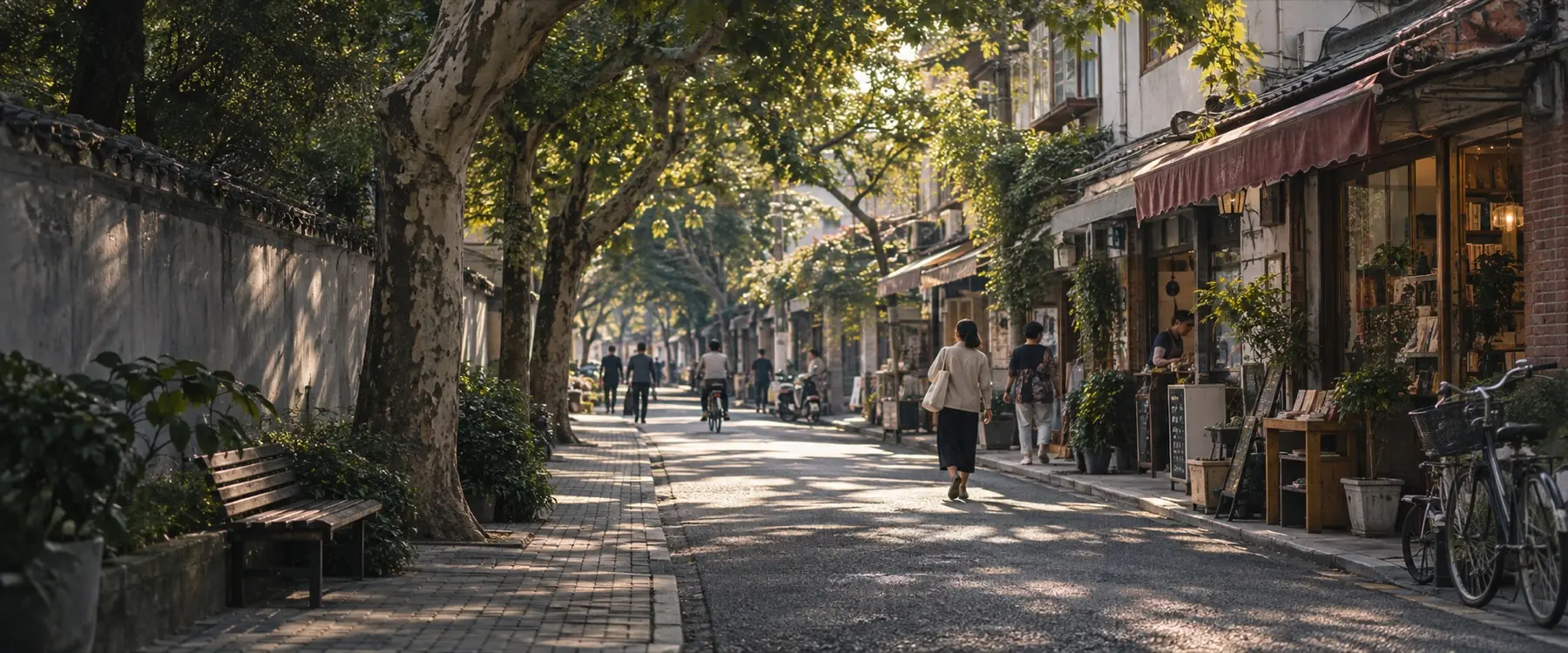
I walked the same street three times: at eight in the morning, two in the afternoon and nine at night. In the morning the pavement belongs to people in a hurry; in the afternoon a few benches under the trees fill up; at night the bookshop on the corner lights up half the street.
You need no instruments to see these changes, only a stretch of time nobody interrupts. I put my phone on do-not-disturb and took a small notebook and a pencil.
A city is not only its master plans and landmarks. It is also the stretch of road, the corner and the bench we pass every day.
On the second walk I started sketching: where the shade falls, which benches are always taken, at which crossing people slow down without thinking. Once drawn, many vague impressions became concrete.
One observation may cover only ninety minutes, yet it is enough for a familiar road to show new detail. Laying the three sketches on top of each other, I found that what really shapes this street are the pauses nobody planned.
Next time I want to walk it in the rain.
ESSAY · ISSUE 42
Walk the same street three times and you will see three different cities.
I walked the same street three times: at eight in the morning, two in the afternoon and nine at night. In the morning the pavement belongs to people in a hurry; in the afternoon a few benches under the trees fill up; at night the bookshop on the corner lights up half the street.
You need no instruments to see these changes, only a stretch of time nobody interrupts. I put my phone on do-not-disturb and took a small notebook and a pencil.
On the second walk I started sketching: where the shade falls, which benches are always taken, at which crossing people slow down without thinking. Once drawn, many vague impressions became concrete.
“A city is not only its master plans and landmarks. It is also the stretch of road, the corner and the bench we pass every day.”
One observation may cover only ninety minutes, yet it is enough for a familiar road to show new detail. Laying the three sketches on top of each other, I found that what really shapes this street are the pauses nobody planned.
Next time I want to walk it in the rain.
ESSAY · LIFE · 6 MIN
Lin Chuan September 20, 2026
I walked the same street three times: at eight in the morning, two in the afternoon and nine at night. In the morning the pavement belongs to people in a hurry; in the afternoon a few benches under the trees fill up; at night the bookshop on the corner lights up half the street.
You need no instruments to see these changes, only a stretch of time nobody interrupts. I put my phone on do-not-disturb and took a small notebook and a pencil.
A city is not only its master plans and landmarks. It is also the stretch of road, the corner and the bench we pass every day.
On the second walk I started sketching: where the shade falls, which benches are always taken, at which crossing people slow down without thinking. Once drawn, many vague impressions became concrete.
One observation may cover only ninety minutes, yet it is enough for a familiar road to show new detail. Laying the three sketches on top of each other, I found that what really shapes this street are the pauses nobody planned.
Next time I want to walk it in the rain.
A city is not only its master plans and landmarks. It is also the stretch of road, the corner and the bench we pass every day.
I walked the same street three times: at eight in the morning, two in the afternoon and nine at night. In the morning the pavement belongs to people in a hurry; in the afternoon a few benches under the trees fill up; at night the bookshop on the corner lights up half the street.
You need no instruments to see these changes, only a stretch of time nobody interrupts. I put my phone on do-not-disturb and took a small notebook and a pencil.
On the second walk I started sketching: where the shade falls, which benches are always taken, at which crossing people slow down without thinking. Once drawn, many vague impressions became concrete.
One observation may cover only ninety minutes, yet it is enough for a familiar road to show new detail. Laying the three sketches on top of each other, I found that what really shapes this street are the pauses nobody planned.
Next time I want to walk it in the rain.
The Walking City sample blog in this starter, as it looks before any changes. Click the first post to open it.
The newest post leads the home page with a full-width cover, its tag, headline and excerpt. A post without a cover gets a text-only lead instead.
Every other post appears as a card with a 3:2 cover, tag, title, excerpt and date. The header carries a search box.
The excerpt becomes the standfirst. The text runs in two columns with a drop cap, and quotes become pull quotes between a heavy rule and a hairline.
Consecutive photos in Notion become a gallery, one large and two small when there are three. Three related stories with covers close every article.
City Magazine has no contents panel, reading progress or reader settings, so the pages stay closer to print. If your readers need them, ask for them in Theme studio.
Visual publications, travel writing and stories about places, where strong cover images and clear section labels carry the editorial hierarchy.
Bring stories with strong landscape cover images and tags that can become sections, such as neighborhoods, food or walks. A front page needs five or six stories to look full; with fewer, ask for a simpler lead-and-list layout. Save the current version before a large redesign so you can return to it.
In Theme studio, describe a change in a sentence. Each change becomes a version you can preview on your own content; publish the one you like and return to an earlier one at any time. Some requests to start from:
Replace the masthead with our publication's name and show the current season instead of an issue number.
Add a Neighborhoods section to the homepage that groups stories by tag.
On phones, crop the lead image to half the screen height so the headline is visible without scrolling.
Style pull quotes with a thin left rule in our accent color instead of large display type.
These example sites were each designed in Theme studio from a short written brief, with no starter underneath.
Connect a Notion database, preview the starter on your own posts, then change whatever you like.